Blog
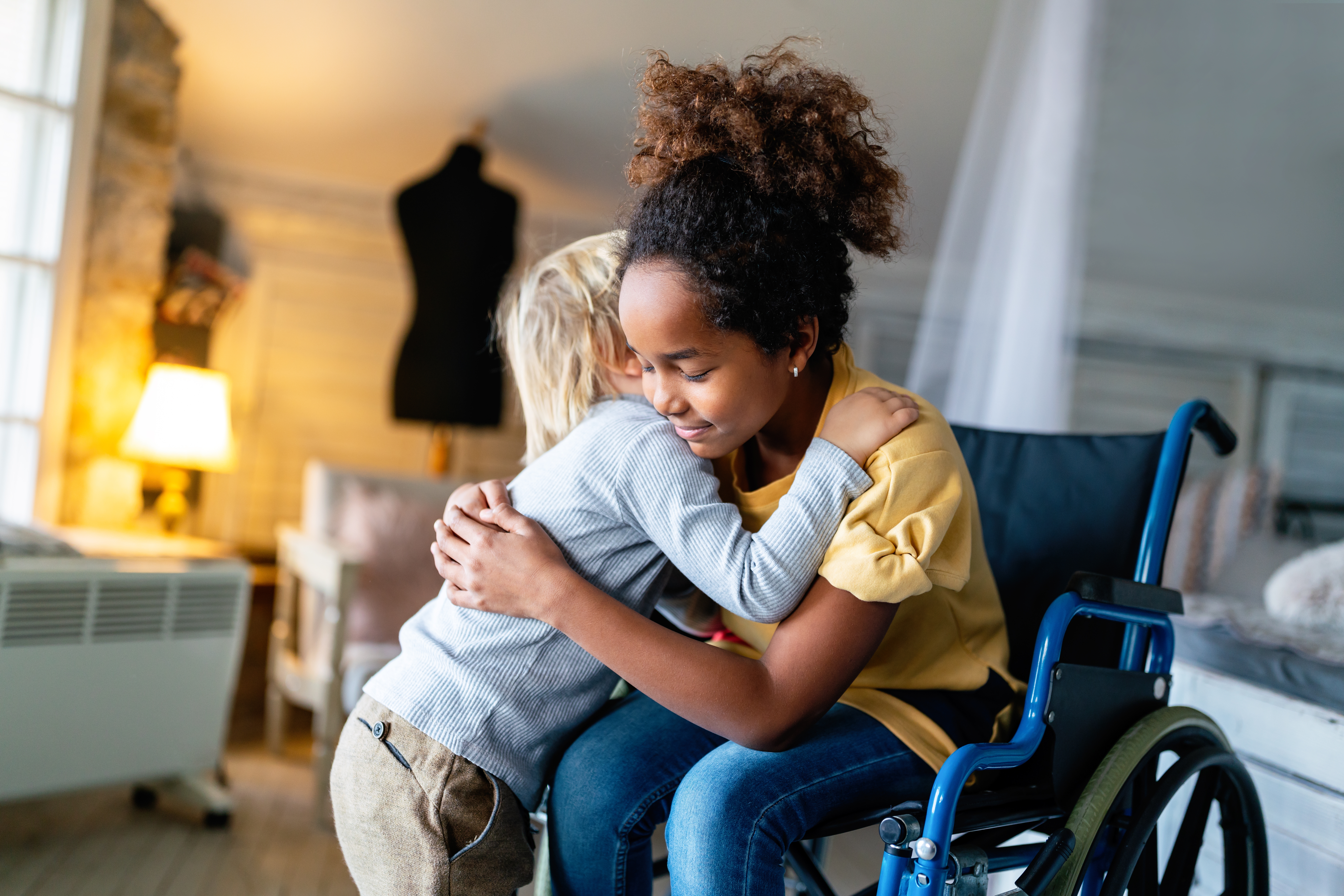
How Siblings of Children with Disabilities are Impacted
ABA Therapy, Child Counseling, Parent Education
In the United States, 7.5 million school-aged children are reported to have a disability, and the vast majority of these children have at least one sibling. In many families, siblings spend more time together than with anyone else, yet there are no formal treatment guidelines focused on supporting siblings of children with disabilities.
Parenting a child with a disability shapes the entire family. Siblings grow up witnessing therapies, behavioral challenges, school struggles, and medical appointments firsthand. Over time, these experiences influence their emotional development, mental health, relationships, and worldview.
In this article, we’ll explore how having a sibling with a disability can affect children at different stages of development, and how parents can better support siblings as part of the whole family system.
Challenges Siblings May Experience
Every family is different. The experiences below are common among siblings of children with disabilities, but that doesn’t mean your child will experience all – or any – of them. This list is meant to help you better understand how your family’s day-to-day life may impact your other children, so you can support them when and how they need it.
Feeling Overlooked or Resentful
One of the most common challenges siblings face is feeling like their brother or sister receives more attention. Children may notice that their sibling attends therapy sessions that look like play, uses specialized equipment, or receives extra time and support from adults. Even when parents are doing their best to balance attention, siblings may still perceive an imbalance.
Some children respond by trying to “earn” attention through high achievement in academics, sports, or extracurricular activities. While this may look positive on the surface, it can create unhealthy pressure and a belief that love and praise are tied to performance.
Being Pulled Into a Caregiving Role
Siblings might be asked to help with their brother or sister’s behavior or daily needs. While occasional help can build empathy, frequent responsibility can blur boundaries. Children may feel more like a caregiver than a sibling, which can lead to stress, resentment, or guilt if they feel they are not doing “enough.”
Confusion About Different Rules and Expectations
Many siblings struggle to understand why rules are enforced differently at home. They may see their sibling “get away with” behaviors such as yelling, refusing tasks, or breaking routines that would result in consequences for them.
From a child’s perspective, this can feel like unfairness rather than accommodation. Over time, this confusion can strain sibling relationships and lead to frustration toward both parents and the sibling with a disability.
Increased Anxiety and Emotional Stress
Living in a home with frequent behavioral challenges, emotional dysregulation, or unpredictable routines can increase anxiety for siblings. Stress levels in the household may be high, especially during transitions, school struggles, or periods of regression. Over time, this can increase the risk of anxiety, people-pleasing behaviors, or difficulty expressing feelings.
Carrying Guilt or Responsibility
Siblings may feel guilty for being frustrated, wanting space, or wishing life were different. They may also worry about their sibling’s future and feel a sense of responsibility earlier than expected. These thoughts often go unspoken but can significantly affect emotional well-being.
Benefits and Strengths Siblings Often Develop
While there are challenges, having a sibling with a disability can also be a meaningful and positive experience that helps shape your child in wonderful ways.
Leadership Skills
Siblings of children with disabilities are often natural leaders. They have years of experience modeling behavior, explaining expectations, and helping navigate the world. These skills can translate into confidence and responsibility in other settings.
Advocacy and Awareness
Many siblings become strong advocates for inclusion and accessibility. Having spent years explaining their sibling’s disability to peers, teachers, and others, they often develop a deep understanding of disability rights and social justice.
Compassion and Patience
Daily exposure to different learning styles, communication needs, and emotional regulation challenges can foster empathy and patience. Siblings often learn to recognize and respond to the needs of others, developing a deeper understanding of feelings and perspectives. Over time, this can help them build strong, caring relationships both within the family and with friends.
Acceptance of Differences
Siblings of children with disabilities are often more accepting of individual differences and less judgmental of unexpected behavior. This perspective can positively influence friendships, workplace relationships, and parenting later in life.
Long-Term Importance of the Sibling Relationship
Sibling relationships are often the longest-lasting relationships in a person’s life. For individuals with disabilities, siblings frequently remain a consistent presence well into adulthood. This makes the sibling bond especially important for long-term quality of life, emotional support, and social connection.
Because of this, how siblings are supported during childhood has ripple effects across the lifespan, for both the child with a disability and their brother or sister.
The impact of growing up with a sibling with a disability changes across the lifespan. In early childhood, concerns often center around social life and fitting in. As siblings grow older, worries may shift toward long-term care and responsibility. In adulthood, many siblings continue to play important roles as advocates, supporters, and trusted family members.
What Parents Can Do to Support Siblings
You may be wondering what you can do to support your child. Here are some suggestions from our Counseling team at Westside:
Have Age-Appropriate Conversations
Explaining a child’s disability in a developmentally appropriate way is critical.
For very young children:
“Your brother is still learning how to talk and share. Some things are harder for him, and we’re helping him practice.”
For elementary-aged children:
“Your brother has something called autism. Autism affects how his brain works. He has a harder time with some things, like communication and managing his emotions. On the other hand, he’s great with building things and has an amazing memory. We’re all here to help each other. Do you have any questions?”
For teenagers:
“Your brother has autism, which affects how his brain processes communication, emotions, and behavior. Some expectations and supports are different because of this. He is not choosing these challenges, and accommodations are part of his treatment plan. We want you to ask questions and talk openly about how this affects you.”
Reinforce Unconditional Love
Be mindful of children who place pressure on themselves to overachieve. Regularly reinforce that they are loved and valued for who they are, not what they accomplish. Make space to celebrate effort, character, and individuality.
Talk About the Future
By middle school, many children begin to worry about long-term plans for their sibling. Age-appropriate conversations about the future can ease anxiety. Let siblings know there is a plan in place, and that responsibility will not fall on them unexpectedly.
If you have not already, consulting with a special needs attorney can help establish long-term planning and provide reassurance for the whole family.
Offer Counseling Support
Sometimes siblings need a space of their own to share feelings they might hesitate to express at home. Counseling can help them build coping skills, manage anxiety, and understand that their emotions are valid and important. At Westside, our caring counselors specialize in supporting children with disabilities and their families, helping siblings navigate their experiences in a safe and understanding environment.
For more information, please call (815) 783-2544.