
Fall Into Fun: Seasonal Children’s Activities Our PTs Love
QUICK ANSWER Fall is a great season for movement. Jumping in leaf piles, carrying pumpkins, […]
Therapy
Have you noticed your child missing movement milestones or falling more often than expected? This can sometimes be linked to muscle weakness, limited mobility, or difficulty with coordination. Physical therapy for children focuses on identifying and addressing these underlying challenges to support more natural, confident movement.
At Westside, our pediatric physical therapists look beyond the surface to understand what’s affecting your child’s mobility, then create targeted plans to help improve strength, balance, and overall physical function.
Physical therapy is especially beneficial to children who display delays in gross motor development, mobility, gait, strength, and posture, or those who need to regain physical abilities after an injury or accident.
As a parent, your child’s development is one of your top priorities. But since children’s motor skills develop at their own pace, it’s not always easy to understand when physical therapy for children might be necessary. That’s why it’s important to watch for delayed milestones, such as:
If your child is showing these symptoms, a pediatric physical therapist at Westside can closely examine them and assess if therapy can help them build balance, strength, and confidence.
QUICK ANSWER Fall is a great season for movement. Jumping in leaf piles, carrying pumpkins, […] QUICK ANSWER Yes, you can adapt almost any Halloween costume. For a wheelchair, a costume […] QUICK ANSWER Most parents know to watch for missed milestones like rolling, sitting, or walking […]Latest Insights
Fall Into Fun: Seasonal Children’s Activities Our PTs Love
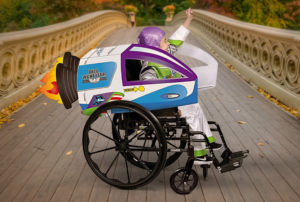
How Do You Adapt a Halloween Costume for a Wheelchair, Walker, or Braces? Easy Ideas for Kids

When Should My Child See a Pediatric Physical Therapist? Signs Parents Often Miss
Physical therapy is like building a foundation for muscle strengthening and an expanded range of motion. Many families turn to pediatric physical therapy if their child is recovering from an injury or is lagging in some way developmentally. Pediatric physical therapy incorporates exercises and other best practices to help your child regain their physical strength.
Some children face difficulty raising their arms, tilting their heads, or doing other physical movements because it is genuinely hard for them. It might cause them pain or discomfort. A pediatric physical therapist helps children improve their mobility and expand their range of motion. They ensure that day-to-day activities, such as carrying a backpack or climbing stairs, do not become a struggle.
Does your child always fail to catch a ball or lose balance even on a plain surface? This could be due to potential coordination and balance issues. Physical therapy studies the neurological and physical factors causing this condition and treats them accordingly. Our pediatric physical therapists help children to enjoy their time at the gym, playground, and other public spaces.
An injury can be more severe for a child than for an adult. Also, children heal differently from adults. To avoid long-lasting damage or other related concerns, it is advisable to strictly follow the doctor’s advice during recovery. Physical therapy ensures that the healing process stays on track, helping children regain their strength safely and steadily.
Physical therapy isn’t just early intervention for hitting those major developmental milestones. It also helps children with the small, everyday moments that can shape their confidence. Pediatric physical therapists work with them to build practical skills, using engaging, targeted activities that improve their strength and coordination. That’s when kids start having more confidence in their movement skills, doing things like getting dressed or moving around by themselves, and becoming more capable of managing their own routines at home and school.
At Westside, our pediatric physical therapists are trained to handle diverse conditions and help families with varying needs. Whether your child has motor delays, restricted mobility, posture issues, or another challenge, we can help. We offer a range of pediatric physical therapy services to address different pediatric issues. Our services allow families to find a specialist for various issues under one roof, including:
Torticollis (Head Tilt or Rotation Preference)
Plagiocephaly, Brachycephaly, Scaphocephaly (Ex: Flat Head Shape)
Scoliosis (Schroth Method)
Developmental Delay of Motor Function (Milestones)
Motor Planning and Coordination
Gross Motor Skill Development and Balance Issues (“My kid seems clumsy”)
Hypotonia/Hypertonia
Prematurity
Autism Spectrum Disorder
Down syndrome
Cerebral Palsy
Spina Bifida
Arthrogryposis Multiplex Congenita (AMC)
Juvenile Rheumatoid Arthritis
Muscular Dystrophy
Neurological/Genetic Conditions
Toe Walking
Serial Casting
Gait Training/Re-training
Orthotic Assessments and Training
Wheelchair Assessments and Adjustments
Kinesio Taping
Splinting/Bracing
Growth-Related Pain
Post-Traumatic Injury Rehabilitation
Sports Injury Recovery
Strength and Endurance Activities
Pelvic Floor Therapy

Pediatric physical therapy begins with an evaluation from a clinician. This evaluation will inform you of your child’s areas of concern, the projected treatment plan, and the recommended frequency of appointments.

Our physical therapy sessions, led by pediatric physical therapists, follow a hands-on, 1-on-1, and skilled therapy approach. The sessions are kid-friendly and provide a safe, inviting environment for patients and their families.

Our therapists at Westside’s pediatric physical therapy clinics are highly respected, skilled clinicians who strive to deliver positive, life-changing results to every child. Through expert care and personalized strategies, each child can make meaningful progress.
Parents often feel confused about that first visit to a pediatric physical therapy clinic with their child. But it doesn’t have to be that way. To ease your mind and help you feel more prepared, we recommend the following:
Small comforts and familiar routines go a long way in making the first visit feel less intimidating!
There are many physical therapy options, but families choose Westside for the way we care for each child. Our approach is compassionate, personalized, and focused on what will truly make a difference in your child’s daily life. We take the time to understand each child’s unique needs and create treatment plans that reflect their specific goals. Here are a few more reasons families trust us:
Early intervention helps children overcome developmental challenges to reach their full potential. The sooner their movement challenges are addressed, the easier it typically is for them to catch up. A child’s body can adapt quickly, which is why starting pediatric physical therapy early prevents small delays from becoming bigger problems later on.
Every child deserves to grow, move, and play with confidence. High-quality pediatric physical therapy services initiated in the first few years often lead to shorter treatment durations and better developmental outcomes.
It can be difficult to watch your child struggle physically, but early support can make a meaningful difference. If you’re unsure where to start, our team at Westside Children’s Therapy is here to guide you. We’ll take the time to answer your questions, walk you through the process, and help you understand what progress can look like over time.
We work with children from infancy through age 18, and getting started is simple. Just fill out our form or give us a call to schedule an appointment. Families trust us for consistent, thoughtful support every step of the way.

PT
PT
Brittany Thompson, PT, DPT, earned her Doctorate of Physical Therapy from Midwestern University after completing her Bachelor of Science at Bradley University. She has spent her entire physical therapy career at Westside, beginning as a physical therapist at the Frankfort location and now serving as Director of Physical Therapy for nearly five years, primarily supporting the Northern and Western suburb locations.
Brittany brings a warm, friendly, and team-focused approach to care and leadership, drawing on her years of experience working with families across multiple clinic settings. She values creating a welcoming environment where children and caregivers feel supported throughout the therapy process.
Outside of work, Brittany met her husband in physical therapy school and is now a mom of three (two boys and one girl). On weekends, her family enjoys exploring new parks and restaurants and spending time with friends, family, and neighbors.

PT
PT
Caitlin O’Dowd, PT, MPT earned a Masters in Physical Therapy from University College Dublin in Ireland after completing her Bachelors of Science in Kinesiology with a minor in Nutrition from the University of Illinois at Chicago. She is also a Certified Schroth Scoliosis Therapist, a certified Pediatric Pelvic Floor Therapist, and a Certified Emergency Medical Technician. Caitlin has been with Westside for her entire PT career, starting in 2015 and having served as Director of Physical Therapy since 2022.
Her clinical interests include working with patients of all ages, abilities, and diagnoses. She specializes in working with infants and patients with torticollis, developmental delays, scoliosis, pelvic floor concerns (constipation, incontinence, etc), and supporting children with neurological and genetic diagnoses. She also brings a strong movement and performance background from coaching figure skating since 2009 and providing off-ice strength and conditioning to athletes since 2015.
Outside of the clinic, Caitlin is a mom of four (one boy and three girls) and a figure skating coach. She enjoys spending time with her family, exploring new places with her kids, and traveling.
PT
PT
Haley Ashley earned her Bachelor of Science from Davis & Elkins College in 2010, with minors in Nutrition, Athletic Training, and Psychology, and went on to complete her Doctorate in Physical Therapy at West Virginia University in 2013. She has been with Westside Children’s Therapy since her internship in 2013 and has served as a director mentoring the physical therapy team since 2018.
Haley treats children with a wide range of needs, including torticollis, neurological diagnoses, developmental delays, and orthotics. She is also trained in serial casting and enjoys supporting families and teammates with a steady, encouraging approach.
Outside of the clinic, Haley is a mom of three (two boys and one girl) and has been married since 2016. She loves spending time outdoors with her family and building meaningful memories together.
Pediatric physical therapy addresses issues that prevent kids from moving properly and maintaining balance. It also helps them recover from injuries. To this end, pediatric physical therapists recommend following best practices and restorative methods. They prepare plans that include exercises, therapies, and other treatments to improve the child’s range of motion and reduce muscle stiffness. The aim is to help kids regain strength and move freely without pain or discomfort.
There are many reasons, one being that we have over 1,000+ pediatricians referring to us for services. Above all is our parents’ feedback and quality care.
Every parent is sent a survey at the beginning, middle, and end of their therapy services. It asks: “On a scale of 1-10, how likely are you to refer Westside to your friends and family?”
Here is what parents say:
Average Beginning Score: 9.71/10
Average Middle Score: 9.83/10
Average End Score: 9.89/10
This is exactly why Westside is highly preferred for its pediatric physical therapy services.
While cost varies by insurance plan, number of therapy hours, and other factors, we still inform you on what you can expect to pay. We have built a sophisticated cost calculator that looks at 19 factors that impact cost. When we run it, it shows you a week-by-week prediction of cost.
This estimate occurs after your evaluation, once we know the frequency of therapy. All you do is provide us with your insurance plan details, and we handle the rest.
We work with a wide variety of insurance companies and HMO networks. We are always expanding our network. Click here to view the list of our currently accepted insurances.
Graduating kids from physical therapy is our goal. It means we did our job and the child’s concerns have been addressed. We do everything we can to achieve progress as quickly as possible and ensure open communication between the family and the therapist about the child’s progress. The best progress is seen when combining consistent in-clinic sessions and compliance with your child’s home exercise program. When results show that concerns have been fully addressed, it is time to graduate and celebrate!
At Westside, we generally treat children from birth to 18 years old. Our physical therapists are trained to work with babies, toddlers, kids, and teens. Whether you need a kids physical therapist for a young toddler or a pediatrics physical therapist for a teen, our team is trained for every stage.
Most physical therapy treatment plans are 1-3 hours per week in-clinic, with 1 hour per week being the most common.
Our therapists teach the parents and the child how to continue the exercises at home. This complements the in-clinic treatment and leads to lasting change.
If you are interested, submit an inquiry below. Our Patient Coordinator will call to help you determine a plan forward. If you are still unsure, you can call us anytime at (815) 469-1500 for more information.