Potty Training a Child with Autism: Why It’s Challenging and Proven Strategies That Help
Potty training looks different for every child, and timelines can vary widely—even among neurotypical kids. Still, it’s easy to feel discouraged when you hear about other children mastering it while your own child shows little interest.If your child has autism or sensory differences, it’s especially common for potty training to take more time and patience. This isn’t a reflection of your parenting, even though it can sometimes feel that way.Research reflects what many families experience. Studies suggest that only about 35% of autistic childrenare fully potty trained by 36 months, and some continue to have accidents into later childhood. Another study found that half of autistic children ages 4–5 were not toilet-trained yet.That doesn’t mean autistic children can’t learn this skill—they absolutely can. It simply means the path may look different and often takes more time, patience, and individualized strategies. With the right supports, there are practical steps parents can take to make the process more manageable for everyone.
Why Potty Training Can Be Harder for Autistic Children
Potty training may seem like one skill, but it actually requires many abilities working together, including:
- Sensory awareness
- Body awareness
- Communication
- Motor planning
- Understanding routines
- Emotional regulation
Autism affects many of these areas, which is why potty training may take more time and support. Sensory and communication differences are two of the biggest factors that can influence the potty-training process for autistic children.
Sensory Differences and Potty Training
Many autistic children experience the world through unique sensory processing patterns. Most people learn about the five senses in school, but our bodies actually rely on seven sensory systems:
- Sight (visual)
- Hearing (auditory)
- Smell (olfactory)
- Taste (gustatory)
- Touch (tactile)
- Proprioception (body awareness)
- Vestibular (balance and movement)
Differences in any of these systems can affect how a child experiences the bathroom.
Touch (Tactile Sensitivity)
The toilet itself can feel uncomfortable.Some children may be sensitive to:
- Cold toilet seats
- The feeling of wiping
- The change from diapers to underwear
If a diaper feels predictable and safe, switching to the toilet can feel overwhelming. Autistic children tend to prefer familiarity, and changes of any kind can lead to anxiety or discomfort.
Interoception: Feeling the Need to Go
One of the biggest hidden challenges in potty training is interoception, the sense that helps us notice internal body signals.Interoception tells us when we are:
- Hungry
- Thirsty
- Tired
- Need to use the bathroom
Many autistic children have difficulty recognizing these internal signals. They may not feel the urge to go until it’s too late, or they may feel something but not understand what the sensation means. This can make potty training especially confusing.
Proprioception (Body Awareness)
Proprioception helps us understand where our bodies are in space and how our body parts move together. This skill is important for tasks like:
- Sitting on the toilet in the right position
- Pulling pants up and down
- Coordinating movements during the bathroom routine
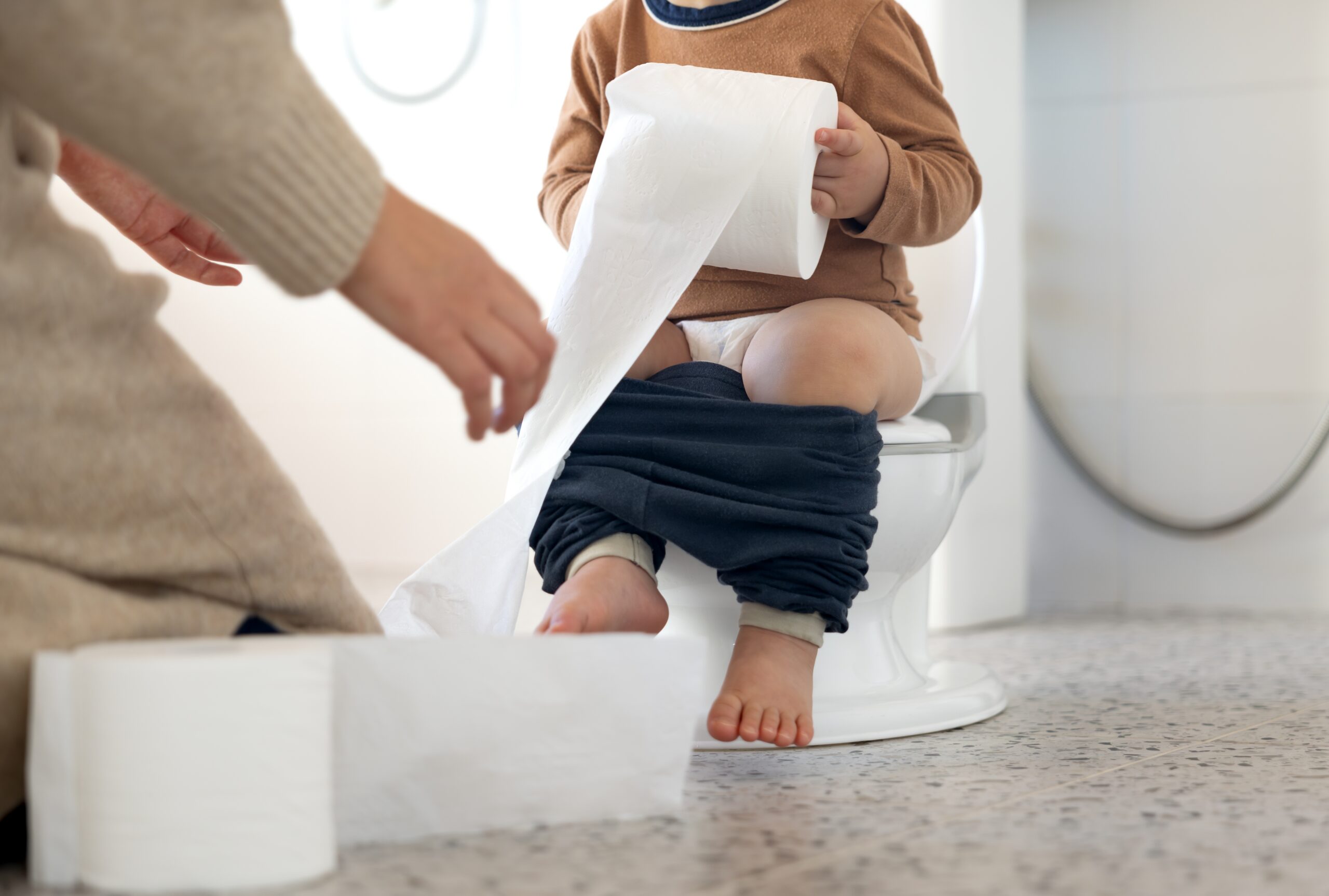
A child with proprioceptive differences may have trouble coordinating these movements or sensing how their body is positioned on the toilet. Supports like toilet seat inserts can help by making it easier for the body to feel stable and organized.Vestibular (Balance and Movement)The vestibular system helps us keep our balance and feel steady when we sit, stand, or move.For some children, the toilet can feel wobbly or unsafe—especially if their feet are dangling and not touching the floor. When their feet don’t have support, they may feel like they could slip or fall, which can make sitting on the toilet feel scary. Using a foot stool gives their feet something firm to rest on, helping them feel more stable, secure, and comfortable.
Hearing (Auditory Sensitivity)
Bathrooms can be loud. If you’ve ever been in the public bathroom at a box store, or worse yet – an airport bathroom, you know how loud those automatic flushers and hand dryers can be. While these sounds might be annoying to most people, they can feel unbearable to someone with hearing sensitivity.A sudden loud flush can create a strong aversion to the toilet and make it harder to get a child back into the bathroom in the future.Pro tip: if you are in a public bathroom, hold your hand over the automatic sensor while your child is going. Offer noise-cancelling headphones to mute out the sound of automatic hand dryers.
Smell and Sight
Strong cleaning products, bright lights, mirrors, or busy tile patterns can also make bathrooms feel overwhelming for children with sensory sensitivities.
How Parents Can Support Sensory Needs with Potty Training
There is a lot you can do to help your child feel more comfortable in the bathroom. When a child is anxious or overwhelmed—something that can happen with sensory sensitivities—the body tenses up. When muscles are tight, it’s much harder to relax enough to use the toilet. That’s why helping your child feel calm and safe in the bathroom is an important first step in potty training.Here are some simple ways to create a more low-sensory, comfortable bathroom environment:
- Keep noise-reducing headphones nearby. Let your child put them on before sitting on the toilet to block out loud sounds like flushing or hand dryers.
- Reduce bright lighting. If your bathroom lights feel harsh, try dimmer bulbs, turning off overhead lights, or unscrewing a bulb or two from bright vanity fixtures.
- Offer comfortable seating. A padded potty seat or toilet insert can make sitting feel more secure. Some children prefer softer materials or different textures, so it may help to try a couple options.
- Use a foot stool. Resting feet on a sturdy stool helps children feel stable and balanced—and it also puts the body in a better position for going to the bathroom.
- Bring familiar comforts. A small toy, book, or visual timer can help make bathroom time feel predictable and less stressful.
- Practice when there’s no pressure. Let your child sit on the toilet fully clothed at first so they can get used to the environment without the expectation of going.
Small changes like these can make the bathroom feel much more predictable and manageable. When a child feels safe and comfortable, it becomes much easier for them to relax—and that’s an important foundation for successful potty training.
Communication Differences
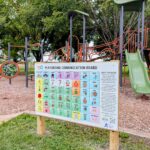
Potty training also relies heavily on communication. Autism often affects both expressive and receptive communication.Receptive communication refers to how well a child understands what others say to them—for example, understanding questions like “Do you need to go to the bathroom?” or directions like “Let’s sit on the potty.” Expressive communication refers to how a child communicates their own needs, such as saying “potty,” signing, pointing, or using a device to indicate they need to go. Because of this, using clear routines, visual supports, or simple signals can help bridge the communication gap and make it easier for children to both understand the potty routine and communicate when they need to go.
Remember: It’s Not a Race
This is one of the most important things parents need to hear.It’s easy to compare your child to other children—especially when everyone around you seems to be celebrating potty training milestones.But development doesn’t happen on the same schedule for every child.Many autistic children achieve toileting independence later, and that’s okay. Progress often happens in small steps rather than one big breakthrough. Your child isn’t behind—they’re simply learning in their own way.
Potty Training Support
You know the saying: “It takes a village.” That’s especially true when raising a child with additional needs. As we discussed, potty training involves a combination of skills that all need to work together—communication, motor coordination, balance, and sensory regulation.At Westside, our therapies for children with autism can support potty training as well as many other essential life skills.
- Speech therapy strengthens expressive and receptive communication, helping your child tell you when they need to use the bathroom.
- Occupational therapy addresses sensory differences and develops the fine motor skills needed to pull pants up and down, wipe, and flush.
- Applied Behavior Analysis (ABA) therapy provides structured support, teaching routines, positive reinforcement, and strategies to encourage consistent bathroom habits.
For more information on Westside’s services, please call us at (815) 469-1500 or click the link below. https://westsidechildrenstherapy.com/get-started/