How Much Do RBTs Make? Salary, Growth, and What to Expect
Human Resources, Opportunities
Whether you’re just starting out or looking for a career change, becoming a Registered Behavior Technician (RBT) can be an incredibly rewarding path. You get to work directly with kids every day and build real relationships with families. It’s meaningful hands-on work, and it’s also one of the fastest-growing careers in behavioral health.
Before jumping into the field, though, you probably want to know: How much do RBTs actually make? The answer depends on several factors, including where you live, your experience level, and the type of company you work for. If you’re in the Chicagoland area, Westside currently has full-time and part-time RBT positions available!
Let’s break down what you can realistically expect when it comes to salary, job growth, and long-term career opportunities as an RBT.
What is a Registered Behavior Technician (RBT)?
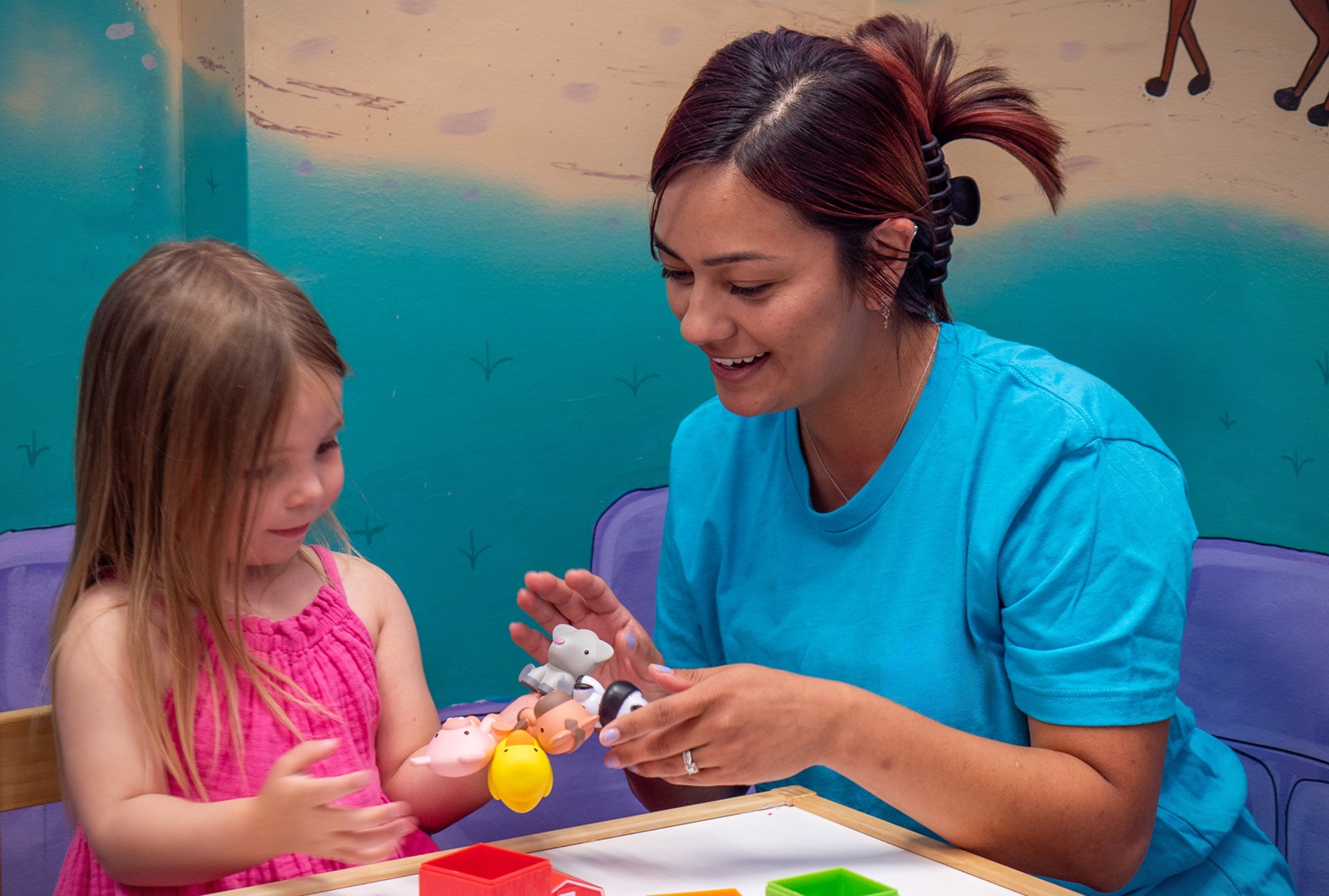
A Registered Behavior Technician (RBT) is a certified paraprofessional who works directly with children and individuals receiving Applied Behavior Analysis (ABA) therapy services. ABA therapy is considered the gold standard for helping children with Autism Spectrum Disorder build communication, social, and daily living skills.
On a typical day, RBTs may:
- Help children improve communication skills
- Support emotional regulation and coping strategies
- Teach social and daily living skills
- Use play-based learning activities
- Collect data and track progress
- Collaborate with families and therapists
RBTs can work in several different settings, including:
- Therapy clinics like Westside
- Clients’ homes
- Schools
- Community environments
The work is active, engaging, and highly relationship-focused, making it a great fit for people who enjoy working directly with kids.
How Much Do RBTs Make?
Average RBT Salary
RBT salaries can vary quite a bit depending on the company, location, and schedule, but most RBTs in the United States earn somewhere between $16–$30 per hour. Some RBT roles are paid hourly, and some providers, like Westside, offer salaried RBT roles.
If salaried, these rates translate to an annual salary range of approximately:
- $40,000–$55,000 per year
- Higher in some major metro areas or specialized clinics
Part-time RBTs are also in high demand, especially for after-school hours and evening sessions.
Entry-Level vs. Experienced Pay
Many entry-level RBTs start around:
- $15–$20/hour when first entering the field
As RBTs gain experience and confidence working with children and behavior plans, pay often increases. Experienced RBTs who are reliable, consistent, and skilled in behavior management may earn:
- $25/hour or more
- Additional bonuses or incentives in some settings
The good news is that you do not need years of prior experience to get started in the field. Westside, for example, provides paid RBT training and support for new team members.
Benefits Beyond Hourly Pay
Compensation is about more than just hourly wages. Many employers also offer:
- Health insurance
- Paid time off
- Flexible scheduling
- Paid training
- Tuition reimbursement
- Mileage reimbursement
- Career development opportunities
These benefits make a major difference in overall job satisfaction and long-term career growth.
What Factors Affect RBT Salaries?
Location
Where you live can significantly impact RBT pay. Larger metro areas and areas with higher costs of living typically offer higher pay. According to ZipRecruiter, the average RBT pay in the Chicago area is $28/hour.
Type of Employer
Not all ABA companies operate the same way. RBT salaries and work experiences can vary depending on:
- Clinic-based providers
- School-based programs
- In-home therapy companies
- Multidisciplinary therapy clinics
Some companies focus heavily on high caseloads and billable hours, while others prioritize mentorship, collaboration, and quality care.
Schedule and Caseload
Your schedule may also impact pay. Some RBTs work:
- Full-time daytime schedules
- After-school and evening hours
- Weekend sessions
More flexible availability can sometimes lead to more consistent hours and increased earning opportunities.
Westside is unique compared to other ABA providers. We offer salaried roles for RBTs, which means that you’ll receive a reliable paycheck regardless of caseload, access to benefits, and peace of mind.
Is Becoming an RBT a Good Career Choice?
For many people, absolutely! Here’s why:
Strong Job Growth
ABA therapy continues to grow rapidly across the country as more families seek support services for children with autism. Autism diagnosis rates have risen significantly in the United States, contributing to a growing demand for ABA services and RBTs.
Meaningful, Hands-On Work
One of the biggest reasons people stay in the field is the impact they get to make every day. As an RBT, you are making a major difference in the lives of children with autism. Many RBTs develop close relationships with the families they work with, and a true appreciation for the unique personalities, strengths, and perspectives that children with autism bring to the world.
At Westside, many RBTs tell us they love the opportunity to work 1:1 with a child. Unlike settings like daycares, camps, or classrooms where your attention is split between multiple kids, 1:1 therapy allows you to really focus on one child, build a strong connection, and see their progress up close.
A Great Entry Point Into Behavioral Health
Becoming an RBT is also an excellent stepping stone for people interested in:
- ABA leadership positions, including Board Certified Behavior Analyst (BCBA) roles
- Psychology
- Education
- Occupational therapy
- Speech therapy
- Counseling
- Social work
- Behavior analysis
The hands-on experience you gain can open doors to many future career paths.
Career Growth Opportunities After Becoming an RBT
Advancing Within ABA
Some RBTs continue growing within their organizations by taking on:
- Lead RBT roles
- Mentorship opportunities
- Training responsibilities
- Clinical support positions
These opportunities allow experienced RBTs to build leadership skills while continuing direct work with children.
Becoming a BCBA
A common next step is becoming a Board Certified Behavior Analyst (BCBA). BCBAs oversee treatment plans, supervise RBTs, and work more independently with families and clinical programming.
This path requires:
- A master’s degree
- Additional coursework
- Supervised fieldwork
- Passing a certification exam
Many people begin as RBTs before deciding whether they want to pursue this advanced certification. Westside offers a fully funded master’s in ABA program for RBTs who want to become BCBAs.
Transferable Skills
Even for people who eventually move into other fields, the skills gained as an RBT are highly valuable. These include:
- Communication
- Collaboration
- Problem-solving
- Data collection
- Emotional regulation support
- Behavior management
Do You Want to Become an RBT?
If you love working with children, becoming an RBT can be an incredibly rewarding career path. RBTs play an important role in helping children build communication, social, and everyday life skills through ABA therapy.
When you begin your RBT job search, look for an employer that offers multiple paths for long-term career growth. At Westside, many of our RBTs go on to become lead RBTs, Regional Trainers, or BCBAs through our fully funded master’s program. Others pursue careers in counseling or other pediatric therapy fields. We also have team members who transition into leadership and corporate roles — our Talent Team is a great example of the many ways a career can grow here!
If you’re interested in joining a supportive and collaborative ABA team in the Chicagoland area, explore Westside’s current RBT openings and learn more about starting your career in ABA therapy.