How to Help a Child with Autism Handle Haircuts: Strategies That Work
ABA Therapy, Children Activities, Occupational Therapy, Parent Education
| QUICK ANSWER
To help a child with autism handle haircuts, start with practice at home, preview the visit with a social story and pictures, and choose a quiet time and a stylist who is willing to go slowly. Use quieter tools, offer headphones or a comfort item, and plan breaks. A half-finished haircut is better than a forced one, and an occupational therapist can help with sensory sensitivities that make haircuts hard. |
Why Haircuts Can Feel So Big
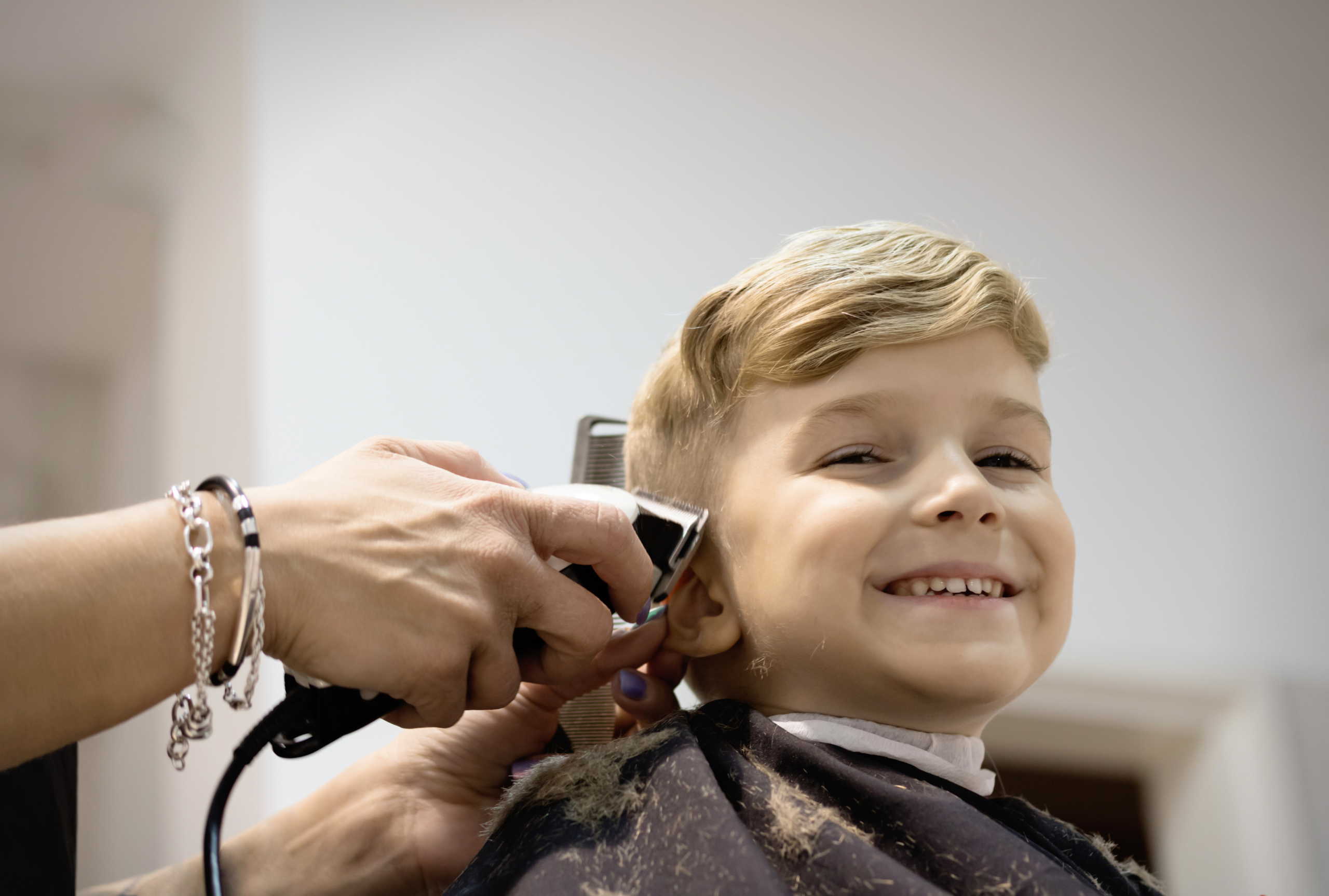
If haircuts are a battle at your house, you’re in good company. For many children with autism, a haircut packs a lot of sensory challenges into one short visit: buzzing clippers, scissors near the ears, tiny hairs on the skin, a cape around the neck, bright lights, and having to sit still.
The good news is that a little preparation can make a big difference. Here are strategies families find helpful, plus how our occupational therapy team can help when haircuts stay tough.
Practice at Home First
Many families start by playing ‘haircut’ at home. Drape a towel over your child’s shoulders, comb their hair, and pretend to cut, then notice which part is hardest1. Introduce the tools in small steps. Clippers can come in stages, off and across the room, then on at a distance, then on your own arm or head, so your child can get used to the sound and feel at their own pace2. Let your child take a turn pretending to cut your hair or a doll’s.
Once you know which part of the haircut experience is the hardest for your child, break it down into the smallest steps they can handle. Sometimes the towel on the shoulders is the tough part. If so, you might work up like this:
- Unfold the towel once
- Unfold it twice
- Unfold it all the way and touch it to your child’s shoulders
- Drape it over their shoulders for 1 second
- Then 2 seconds, and so on
If you can, add a little more each day. Small, steady steps are how tolerance builds.
Preview the Visit With a Story and Pictures
A social story with photos or a short video of the actual salon or barber can take much of the surprise out of the day. Walk through the steps: going in, sitting in the chair, putting on the cape, the haircut, and finishing up3. A picture schedule helps too, and so does reading the story for a week or two beforehand. If it fits your child, visit the salon in advance, with no haircut, just to look around and meet the stylist. It can also help to put a favorite person in the photos or videos, like an older sibling, cousin, or friend. Cartoon characters work too.
Pick the Right Time and Place
Timing matters more than most families expect. Booking the first appointment of the day, or a slower time, often means a quieter salon with fewer sounds and smells. Call ahead and explain your child’s sensory needs. Some stylists will turn down the lights, use a quieter chair, or let you stay close. If a salon is too much right now, a stylist who comes to your home, or a haircut at home, can be a good starting point.
| PULL QUOTE
“Go slower than you think you need to. A haircut that takes three tries is still a haircut you and your child can feel good about.” — Brenda Boehm, Regional ABA Director, MA, BCBA, LBA, Westside Children’s Therapy |
Make the Tools and Setup Easier
Small changes can add up. Scissors are quieter than clippers, and some children tolerate them better, while others do better with quiet clippers made for sensitive kids. Offer noise-canceling headphones or earplugs, and let your child hold a favorite toy or look at a tablet. If water or a cape bothers your child, ask about a dry cut or use a towel instead. A weighted lap pad can help some children feel more grounded in the chair.
Keep It Predictable, Short, and Flexible
Use a first-then card, like ‘first haircut, then park.’ Count out loud, or give your child a heads-up before each new sound or touch. Build in breaks and let your child hand you a signal when they need one. It’s okay to stop early. Half a haircut today is better than a forced one that makes the next visit harder, and trying again another day is a win. Plan a reward your child loves for afterward.
When to Ask for Extra Help
Some children need more support, especially if hair is matting, getting in their eyes, or haircuts have become so stressful that the whole family dreads them. An occupational therapist who works with sensory processing can help your child get more comfortable with touch, sound, and sitting through the process, a little at a time4. If big feelings and anxiety are part of the picture, our counseling and ABA teams can help too.
Frequently Asked Questions
What’s the best age to start haircuts?
There’s no perfect age. It depends on your child’s sensory comfort, communication, and tolerance for new places. Some families begin with play at home or short visits to the salon, without a cut.
Should I cut my child’s hair at home?
It can be a good option, especially at first. A familiar, calm space, quieter tools, and a relaxed pace can make things easier. You can work up to a salon later if you’d like.
Are clippers or scissors better?
It depends on your child. Many children with autism do better with scissors because they’re quieter, while others tolerate quiet clippers. Try each in small steps and see what your child handles best.
What if my child has a meltdown?
Stop, take a break, and try again another day. Pushing through usually makes the next haircut harder. Shorter, calmer practice sessions help.
Can occupational therapy help with haircuts?
Yes. An occupational therapist can work on sensory tolerance in small steps and give you strategies to use at home and at the salon.
Can my ABA team work on haircuts?
Yes. Ask your BCBA how you and the team can work on this skill together.
Small Steps Add Up to Calmer Haircuts
Haircuts don’t have to be a dreaded chore. With practice, patience, and the right support, many children get more comfortable over time. If you’d like help, our occupational therapy team is happy to talk it through. Call us at 815-783-2544 or submit a contact form.
Know a family dreading their child’s next haircut? Share this with them. It might be the answer they’ve been looking for.
Clinically verified by Brenda Boehm, Regional ABA Director, MA, BCBA, LBA, Westside Children’s Therapy
Where to Go Next
- Sensory-Friendly Haircut: A Practical Guide. Raising Brilliance.
- Autism-Friendly Haircuts: How to Prep. PlaceAut.
- Autism Haircut Tips for Stress-Free Grooming. Admire ABA.
- Sensory-Friendly Haircut: A Practical Guide. Raising Brilliance.