Occupational Therapy

What Does Pediatric Therapy Cost Without Insurance?
ABA Therapy, Costs, Occupational Therapy, Parent Education, Physical Therapy, Speech Therapy
QUICK ANSWER Without insurance, pediatric therapy sessions across OT, PT, speech, and ABA typically range […]

From Fall to Winter: Helping Kids Adjust to Seasonal Changes
Occupational Therapy, Parent Education
There’s something magical about that first crisp morning of fall – the smell of leaves, the cozy sweaters, the pumpkin spice everything. But let’s be honest: the change of seasons isn’t always smooth sailing…especially if you’re parenting a child who thrives on routine or has sensory sensitivities.
Understanding OCD: How Westside Approaches Treatment
Child Counseling, Occupational Therapy
Every October, the International OCD Foundation hosts OCD Awareness Week to shed light on a condition that is often misunderstood. Many of us have heard people casually say, “I’m so OCD” when describing their preference for neatness or organization. While usually said in jest, this misconception diminishes the very real challenges faced by individuals – children included – who live with Obsessive-Compulsive Disorder (OCD).

Navigating School Law and Ensuring Medically Necessary Therapy: What Parents Need to Know
ABA Therapy, Child Counseling, Occupational Therapy, Parent Education, Physical Therapy, Speech Therapy
If you’re the parent of a child with autism or developmental differences, you’ve likely faced tough questions about how to balance school and therapy. As your child reaches school age, you may find yourself wondering:

Why Early Intervention is Crucial for Toe Walking
Occupational Therapy, Physical Therapy
You may wonder why your child is toe walking. It’s important to know that toe walking always happens for a reason. Over the years, there has been a noticeable increase in the number of children who toe walk, a trend that continues today.

Benefits of Occupational Therapy for Children with Autism
Occupational therapy helps children with autism develop life skills and gain independence. It focuses on sensory integration, motor skills, and daily living activities. Customized exercises address sensory sensitivities and build coordination. Occupational therapy empowers children with autism by teaching essential life skills.

Why Does a Child Need Pediatric Occupational Therapy?
Pediatric occupational therapy helps children with challenges participate fully in daily activities. Signs a child may benefit include fine motor delays, sensory issues, social difficulties, and problems with self-care. In therapy, kids do playful activities to improve skills. The therapist provides a tailored, holistic approach in a comfortable setting. Goals are building sensory regulation, social abilities, and independence. Early intervention is key so issues can be addressed when most responsive to treatment.

How Occupational Therapy Can Help With Summer Activities
Occupational Therapy, Parent Education
With summer break upon us, it’s time to gear up for some exciting outdoor adventures with your little ones. But as much as we all love summer activities…

Understanding Sensory Challenges and How Occupational Therapy Can Help
Occupational Therapy, Parent Education
Fortunately, Occupational Therapy (OT) can help children develop the skills they need to navigate the world around them.
3 Fun Activities we do in Kids Occupational Therapy to help kids learn and grow
Children Activities, Occupational Therapy
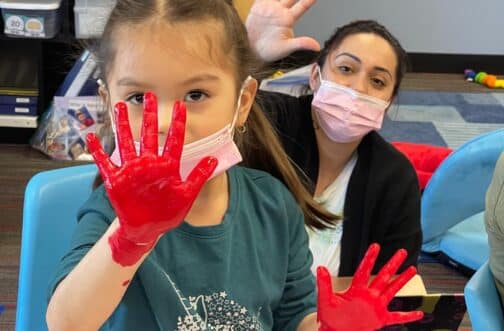
Kids occupational therapy at Westside Children’s Therapy is meant to be fun while reaching therapeutic milestones.
On the surface, it may look like fun and games, but each kid is working hard toward their personal goals in kids occupational therapy plans.

What are AAC devices and how can they help my child?
ABA Therapy, Feeding Therapy, Occupational Therapy, Physical Therapy, Speech Therapy
As human beings, we were designed to communicate. As communicators, we should be able to request, question, comment, express feelings and emotions, etc.
While some may not use their words to communicate, everyone should at least have the tools to be able to communicate.

What does Pediatric Occupational Therapy session look like?
Children Activities, Occupational Therapy
Pediatric Occupational Therapy sessions are designed to address each child’s individual needs. OT helps an individual do the things they need to do (i.e. self-care) and want to do (i.e. play/leisure) daily in order to live a productive life.